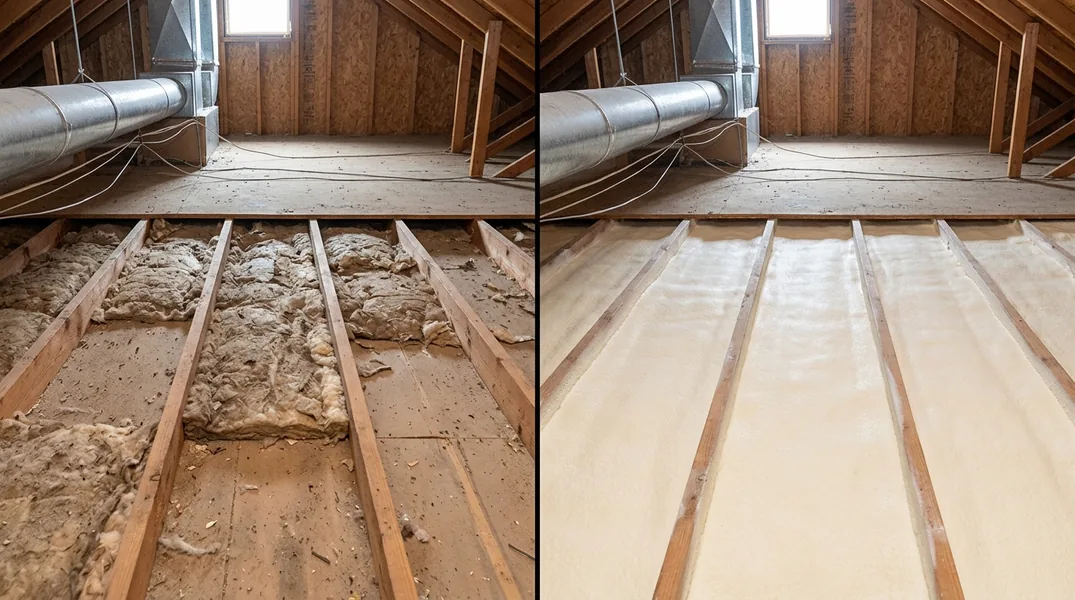
Why Havelock Homeowners Are Choosing Spray Foam for Historic Attics
Havelock's charming bungalows and older homes tell the story of Lincoln's residential heritage. Many of these century-old properties, however, suffer from inadequate insulation that drives up heating and cooling costs while creating uncomfortable temperature swings. Traditional fiberglass batts and blown-in cellulose, while common in older homes, often settle over time and fail to seal air leaks that plague aging attics.
Attic Spray Foam Insulation has emerged as a modern solution that addresses the unique challenges of historic homes. Unlike conventional insulation, spray foam expands to fill every cavity, crack, and corner of your attic space, creating a continuous thermal and air barrier. For Havelock homeowners looking to improve energy efficiency without extensive structural renovation, spray foam offers a compelling upgrade path that works with the existing architecture of older homes.
Is Spray Foam Insulation Worth It for Your Havelock Home
The question of whether spray foam insulation is worth it depends on your priorities and the current condition of your attic. For homeowners in Lincoln and surrounding areas with aging homes, the answer often leans toward yes. Spray foam delivers superior R-value per inch compared to fiberglass, meaning you achieve better insulation performance in the same space. This matters especially in older attics where headroom is limited or where existing insulation has deteriorated over decades.
Energy savings represent the most tangible benefit. Homes with properly installed spray foam typically see heating and cooling cost reductions of 15 to 30 percent, depending on climate, home size, and current insulation levels. Over a 10 to 15 year period, these savings often exceed the initial investment. Beyond energy bills, spray foam also reduces drafts, improves indoor comfort, and can help protect your home from moisture infiltration and pest entry, all concerns that plague century-old Havelock bungalows. When you factor in increased comfort, lower utility bills, and protection against future damage, spray foam insulation becomes a worthwhile investment for most homeowners.
Spray Foam Insulation Pros and Cons: What Havelock Homeowners Should Know
Like any home improvement, spray foam insulation comes with distinct advantages and drawbacks. On the positive side, spray foam provides exceptional air sealing, superior insulation value, excellent moisture resistance, and long-term durability. It doesn't settle or sag like traditional insulation, maintains its R-value over decades, and can last 80 years or more with proper installation. For historic homes where air leaks around rafters, collar ties, and irregular framing are common, these benefits are especially valuable.
The downsides warrant honest consideration. Spray foam is more expensive upfront than fiberglass or cellulose insulation. Installation requires trained professionals with specialized equipment, so DIY options don't exist. Once applied, spray foam is difficult and costly to remove or modify if you need future attic access or renovations. Additionally, poor installation quality can lead to incomplete coverage or improper expansion, reducing effectiveness. Some homeowners also express concerns about the application process and potential off-gassing, which we address in detail below. Understanding both sides helps you make an informed decision about whether spray foam aligns with your home's needs and your budget.
Is Spray Foam Insulation Safe: Addressing Off-Gassing and Chemical Concerns
Safety is a legitimate question many homeowners ask before committing to spray foam. The short answer: when professionally installed by certified contractors, spray foam insulation is safe for occupants. However, the installation process itself requires careful attention. Spray foam is created by mixing two chemical components on-site, and during application, workers must vacate the area. The foam off-gasses during and immediately after installation as the chemicals cure, which is why proper ventilation and a temporary evacuation period are standard safety protocols.
Spray foam off-gassing typically subsides within 24 to 48 hours after installation, though some studies suggest trace off-gassing can continue for weeks at minimal levels. The primary concern is isocyanate exposure during application, which is why licensed professionals wear protective equipment and follow EPA guidelines. Once cured, spray foam is inert and does not pose ongoing health risks to residents. Some homeowners worry about formaldehyde or other VOCs, but modern spray foam formulations used by reputable contractors like Lincoln Spray Foam Insulation meet or exceed industry safety standards. If you have respiratory sensitivities or chemical concerns, discuss these with your contractor before scheduling work, and ensure your home receives adequate ventilation during and after the application process.
Common Spray Foam Insulation Problems and How to Avoid Them
While spray foam insulation is generally effective and durable, certain problems can occur if installation is not performed correctly or if the wrong type of foam is selected for your application. One common issue is improper expansion or insufficient filling of cavities, which leaves gaps and reduces insulation effectiveness. Another concern is over-application in confined spaces, which can create excessive pressure on roof framing or walls. Moisture issues can also arise if Closed Cell Spray Foam Insulation is applied in ways that trap moisture against wood framing, potentially leading to rot in older homes.
The best way to avoid spray foam insulation problems is to hire a certified, experienced contractor who understands your home's specific conditions. For Havelock's historic bungalows, a contractor familiar with older construction methods and materials is invaluable. They can assess whether your attic needs Open Cell Spray Foam Insulation (more flexible, better for vapor transmission) or Closed Cell Spray Foam (denser, higher R-value, better moisture barrier) based on your roof structure and climate. Proper ventilation planning, correct foam selection, and adherence to local building codes all prevent problems. When you work with Lincoln Spray Foam Insulation, we assess your attic thoroughly and recommend the right solution for your home's age and condition, ensuring a trouble-free installation that lasts decades.
Attic Spray Foam Insulation Cost in Lincoln: What to Budget
Cost is often the deciding factor for homeowners considering spray foam insulation. Spray foam is more expensive than traditional insulation, typically ranging from 1.50 to 3.00 dollars per board foot depending on the type (open cell or closed cell), thickness, and local market rates. For an average Havelock attic of 1,000 to 1,500 square feet, homeowners should budget between 2,500 and 6,000 dollars, though larger or more complex attics may cost more. Pricing varies based on accessibility, existing insulation removal needs, and whether you choose open cell or closed cell foam.
While the upfront cost is significant, consider the long-term value. Energy savings of 15 to 30 percent annually translate to hundreds of dollars recovered each year. Many homeowners recoup their investment within 5 to 10 years through lower utility bills alone, not counting the added comfort and home protection benefits. Some utility companies and state energy programs offer rebates or incentives for spray foam insulation upgrades, which can offset initial costs. To understand your specific investment and potential savings, contact Lincoln Spray Foam Insulation for a free estimate. We'll evaluate your attic, discuss your goals, and provide transparent pricing based on your home's actual needs.
Getting Started: Attic Spray Foam Insulation Near Me in Lincoln
If you're a Havelock homeowner ready to upgrade your century-old bungalow's insulation, the first step is a professional attic assessment. Lincoln Spray Foam Insulation serves the Lincoln area and understands the unique insulation challenges of older homes. We evaluate your current insulation, identify air leaks, assess moisture conditions, and recommend the best spray foam solution for your specific attic environment.
Ready to explore spray foam for your home? Call Lincoln Spray Foam Insulation at (531) 229-1733 or visit our website at https://lincoln-ne-spray-foam.com to request a free estimate. Our team will answer your questions about safety, off-gassing, cost, and expected performance, ensuring you feel confident in your decision. Upgrading your attic insulation is one of the smartest energy investments you can make for an older home, and we're here to help you do it right.
Looking for a professional spray foam insulation contractor in Lincoln? Lincoln Spray Foam Insulation responds fast for all your spray foam insulation needs.
Get a Free Quote